
Unsettling Truths: Why This Book Is Shaking My Ministry to Its Core
What if the foundations of 'mission' and church planting hide centuries of dehumanization? My honest review of Unsettling Truths by Mark Charles & Soong-Chan Rah—a call to repent, lament, and reclaim true Gospel freedom.
UNSETTLING TRUTHSCRITICAL REFLECTIONS & DECOLONIAL INQUIRY
Joe Quarcoo
1/12/20264 min read
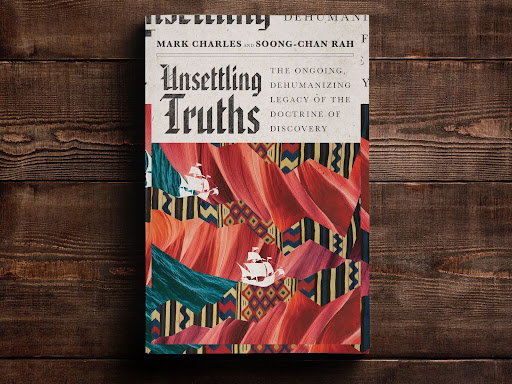
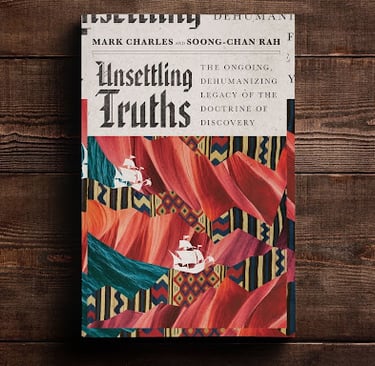
Ever had a book stop you dead in your tracks, exposing the rot in foundations you once trusted? For me, that book is Unsettling Truths: The Ongoing, Dehumanizing Legacy of the Doctrine of Discovery by Mark Charles (Navajo/Dutch heritage) and Soong-Chan Rah.
The confrontation began unexpectedly. I was listening to Harvey Kwiyani's podcast with Anglican Bishop Dr. D. Zac Niringiye on the deeply problematic language of "mission." Niringiye's unflinching critique—calling out how colonial frameworks still infect our vocabulary—hit like a gut punch. When he recommended Unsettling Truths, it felt less like a suggestion and more like a divine summons I couldn't ignore.
As an ordained Reverend Minister since 2015, I'm in the thick of a brutal reckoning. My postgraduate work in Social Psychology and Urban Studies (through a decolonial lens) already had me questioning power structures. But this book drags those questions into the light and makes them personal. I'm staring down the barrel of my own ministry: Is my vision of "church planting" and "mission" truly about liberating people through Christ's Gospel—or is it, even subtly, about building empires, consolidating power, and demanding loyalty to systems that echo historical conquest?
The book's core revelation is brutal: an embedded theology of white supremacy woven into the fabric of American Christianity from the start. This isn't fringe heresy—it's the DNA of how the church justified genocide, land theft, and dehumanization for centuries.
At the heart lies the Doctrine of Discovery, a series of 15th-century papal bulls (like Dum Diversas in 1452 and Inter Caetera in 1493) that declared non-Christian lands "discoverable," their peoples subhuman, fit only for conquest, enslavement, or forced conversion. "You cannot discover lands already inhabited," Charles and Rah remind us, yet European Christians did exactly that—declaring inhabited territories terra nullius (empty land) because their inhabitants weren't Christian. This theological poison granted divine sanction to violence: invade, subdue, enslave, and claim it all "for Christ."
This framework didn't die in the 15th century. It mutated into Christendom—the unholy fusion of church and state where faith became empire. The early church, a persecuted community of suffering servants, morphed into a triumphal power wielding swords alongside crosses. Augustine's "just war" theory and Eusebius's portrayal of emperors as quasi-divine saviors paved the way. The result? Christianity shifted from humility and sacrifice to exceptionalism, domination, and the assumption that God blesses the powerful.
Charles and Rah expose how this legacy infects even our American heroes. Take Abraham Lincoln, lionized as the Great Emancipator. The book peels back the myth: Lincoln's policies toward Native peoples were rooted in the same Doctrine of Discovery logic—removal, assimilation, broken treaties. He viewed Indigenous nations as obstacles to Manifest Destiny, a direct descendant of those papal decrees. The "discovery" mindset made dehumanization not just possible, but patriotic and providential.
This history isn't ancient trivia. It lives in modern church culture: in leadership models that centralize power, in "mission" strategies that prioritize numerical growth and institutional expansion over genuine empowerment, in planting models that demand allegiance to a central figure or brand rather than fostering spiritual autonomy. When we replicate hierarchies, extract resources from communities, or treat people as metrics in someone else's vision, we echo Christendom's sins.
For me, this is no abstract exercise—it's a crisis of calling. The Gospel I preach is about radical freedom—Christ setting captives free, empowering the marginalized to discover their God-given purpose. Yet too often, "mission" becomes empire-building in spiritual clothing. Unsettling Truths forces the question: Are we liberating lives through the Gospel, or are we (even unintentionally) perpetuating systems of control that dehumanize?
The book doesn't leave us in despair. It calls for repentance, lament, and a radical uncoupling from Christendom's compromises. True ministry must reclaim the way of Jesus: humility, service, justice, and solidarity with the oppressed. It means confronting the long shadow of white supremacy in our theology, structures, and imaginations—then dismantling it.
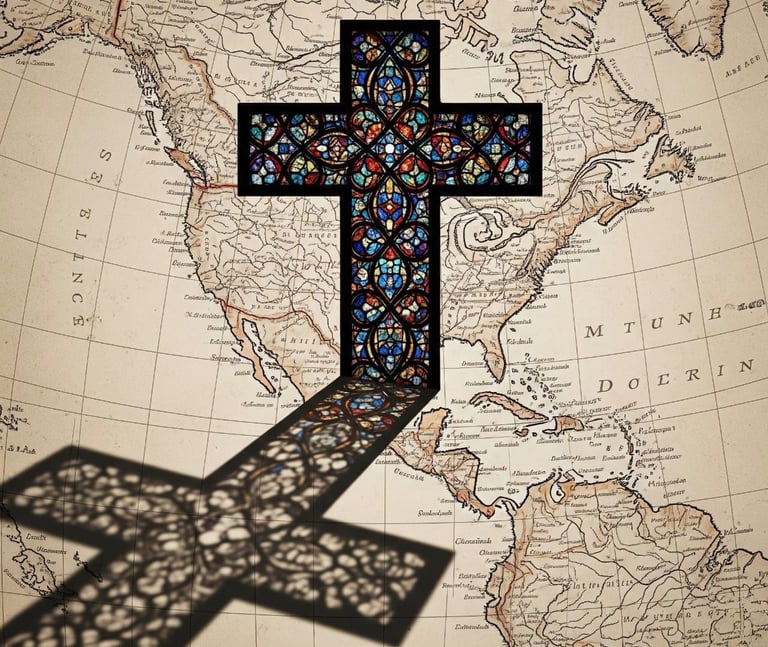
The shadow of Christendom stretches far. It manifests today in churches that idolize power, in national myths that sanitize conquest as "progress," in mission efforts that still carry assumptions of cultural superiority.
How do you see Christendom's fingerprints in your faith community or broader society? What would it look like to pursue a post-Christendom faith—one marked by humility rather than triumphalism, empowerment rather than control?
The Gospel is about true liberation and purpose in Christ. How do you define "mission" or "impact" in ways that genuinely free individuals and communities, refusing to replicate toxic power dynamics? Which historical truths have most reshaped your view of the church today?
I'm still wrestling through this. Share your thoughts—I need the conversation as much as anyone.
#UnsettlingTruths #DoctrineOfDiscovery #Christendom #WhiteSupremacy #DecolonizingFaith #RacialJustice #ChurchHistory #MinistryReckoning #GospelLiberation #Empowerment #Ministry #LiteratureofLiberation #GuidingLightPress


REACh out
hello@guidinglightpress.co.uk
© 2026. All rights reserved.
Address: 4th Floor, Silverstream House, 45 Fitzroy Street, London, W1T 6EB
Amplifying voices and reclaiming narratives through literature of liberation
Privacy Policy


Join the movement